Enhanced UX transforms productivity and customer service

A rent abatement solution, rapidly built to provide relief during the pandemic, was reimagined to better respond to user needs and deliver a superior experience.

  • Clock
    10 weeks
  • People
    3 developers
Let's Talk
GPT-Abatements-UX-CaseStudy


interface-red-big

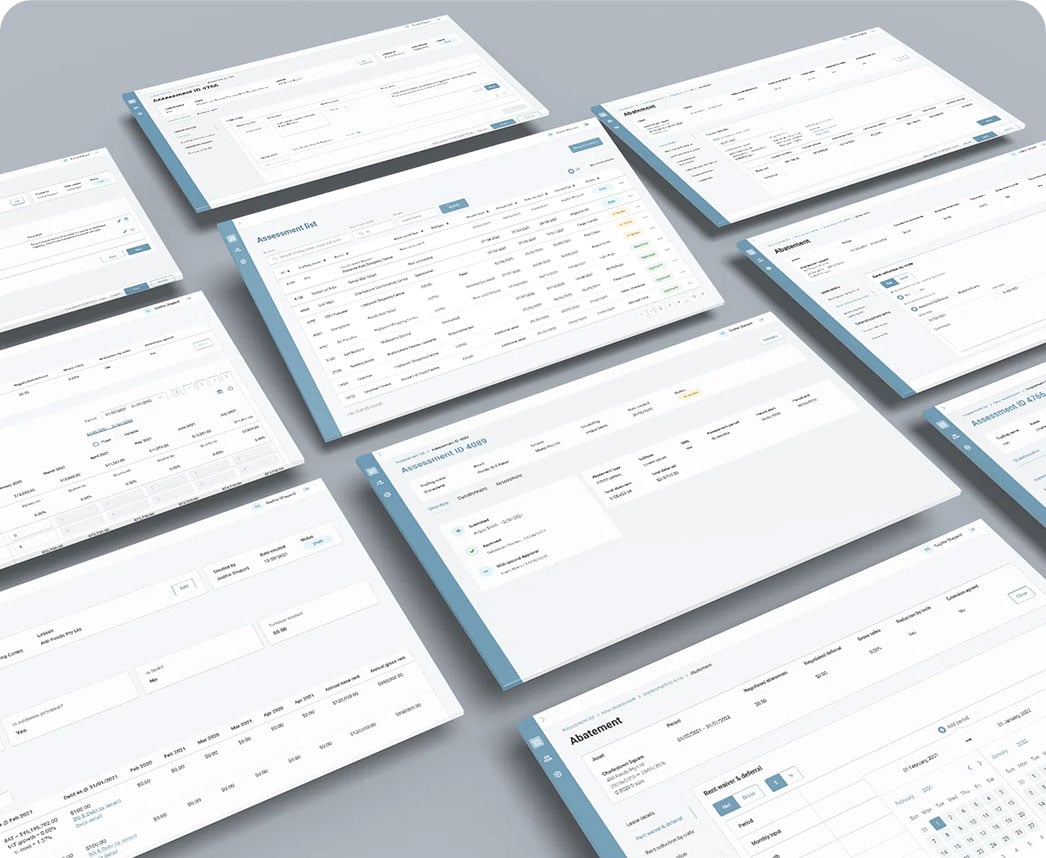
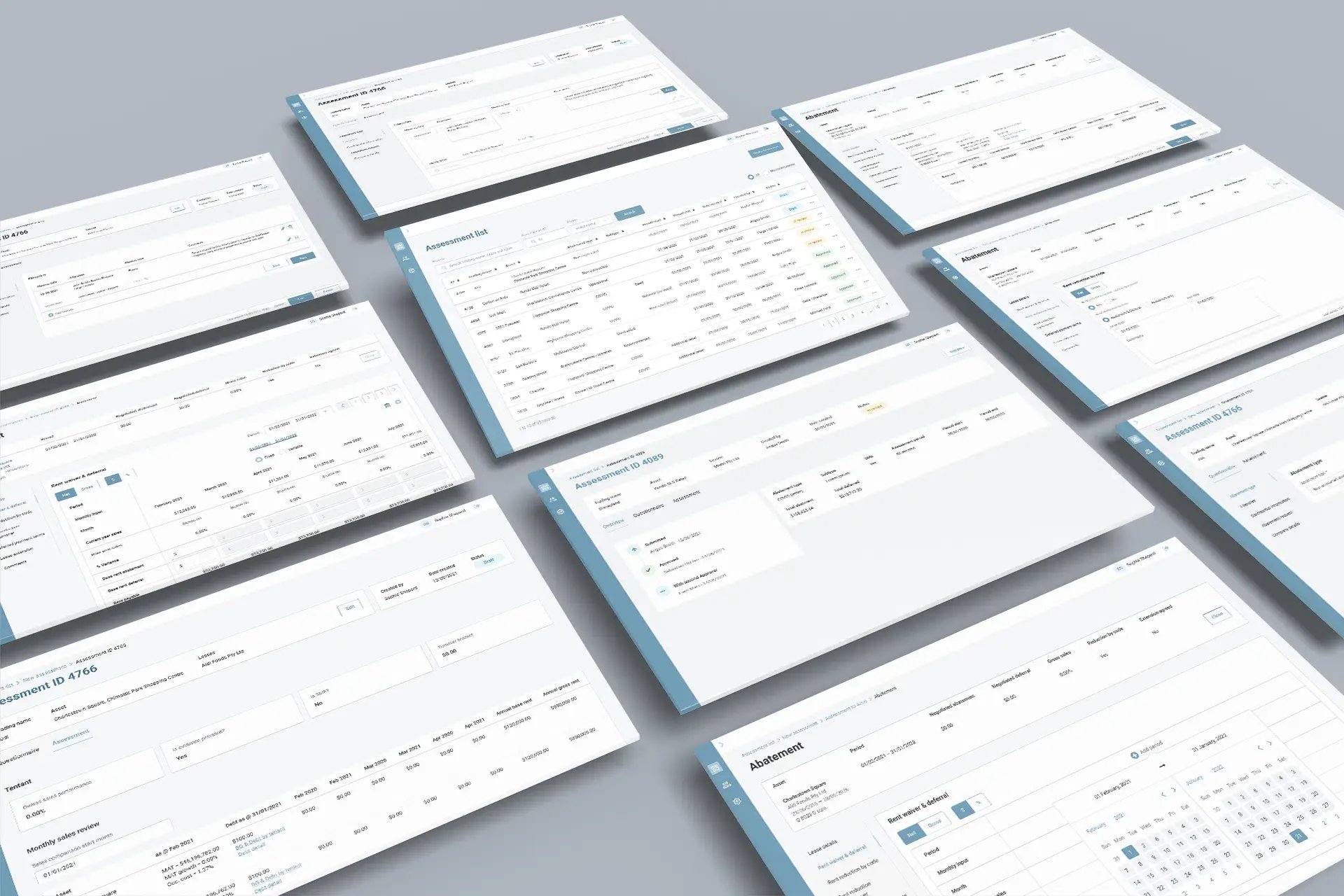
Clean, intuitive interface makes contract management faster and easier to navigate

list-check-red-big

Step-by-step application tracking accelerates rent abatement approvals

folder-document-red-big

All communications, notes, and documents unified in one place for each application

quote-icon

The original solution did exactly what it needed to during the pandemic: it was built fast, and it worked. By later revisiting the UX with fresh eyes and real user insights, we were able to take something good and make it genuinely great.

UX Specialist
PhoenixDX

About the organisation

Industry: Commercial Real Estate

Our customer is a diversified property group that owns and actively manages a $26.9 billion portfolio of high-quality Australian real estate, including offices, logistics and retail assets. 

GPT-Abatements-UX-1

The challenge

Back when COVID-19 hit, the company faced an immediate crisis - customers were suffering heavy financial losses and more than 3,000 contracts needed to be renegotiated to provide rent relief. A solution was built rapidly to meet the moment, and it worked.

Post-pandemic, the company recognised it was time to revisit the application, not just to fix its limitations, but to build something that truly met user needs, boosted productivity, and enabled employees to deliver an even better experience for their customers.

GPT-Abatements-UX-2

The solution

The revamp began with PhoenixDX's UX team conducting in-depth User Interviews with employees who managed rental contracts day to day, uncovering the pain points that were holding them back: cluttered interfaces, inflexible notes, an inability to delete applications, and no way to track the status of rent reduction requests through the approval process.

Using the Jobs-to-be-Done method, we mapped every task users needed to complete to do their job effectively, identifying the must-haves for the new solution. User personas were then defined to ensure the UX Designer had a clear picture of who they were designing for, enabling tailored dashboards that reflected how different roles actually worked.

Wireframing surfaced further issues, including unwieldy long-form pages and the need to save and return to applications mid-process. When the client expressed uncertainty about a key feature, our designer took it a step further, building a clickable prototype and conducting Guerrilla Testing to validate the approach with real users. Every insight from the process was woven into the final design, ensuring the new solution was built around the people who use it most.

The results

tick-circle

A clean, intuitive UX that is easy to navigate improves productivity by making it faster and easier to serve customers.

tick-circle

Flexibility to select duration of the rent abatement period - a fixed term or a flexible schedule to meet individual customer needs.

tick-circle

Capacity to track the status of each rent abatement application step-by-step from submission through every level of approval.

tick-circle

Unifies all information for the rent abatement process in one location, including notes, emails, calls and documents. 

GPT-Abatements-UX-CaseStudy-screens2

UX activities

check-green

User Interviews

check-green

Jobs to be Done

check-green

Defining Personas

check-green

Wireframes

check-green

Prototyping

check-green

Guerilla Testing

Want to see what great UX can do for productivity and customer service?

Our team is here to help. Complete the form below and we’ll be in touch shortly.